Buying Art with Confidence
Precautions and tips for buying art
by Alexandre Coxo, 18 February 2020
In short
- Before buying, research as much as possible and be clear about what motivates you (taste, decoration or investment) and how much you can spend.
- Only buy with money free of commitments: start with affordable amounts and then look for the best work by your favourite artist that fits your budget.
- The quality of a work is the balance between material quality (materials and procedures) and symbolic quality (what the work says).
- To find out whether a price is fair, ask how it was calculated and compare it with artists whose work is similar.
- Buying directly from the artist reduces intermediaries and costs and lets you commission a custom work. Buying online is safe on established sites with protected payments.
As an artist I often come across buyers' uncertainty, and I feel the need to accompany them while they choose what they want to buy.
It has happened that, in the end, we both realised it was not my art they were looking for.
That is why, as a professional, I feel obliged to inform and help those who want to know more about art, how the market works and how they can search and decide what to choose.
In this article I share some ideas on what to do to buy a work with the confidence of having made the right choice, and some sites you can visit to learn more about the art world.


Where to Start
I assume you do not want to get involved in an unsafe scheme or find out later that you paid a lot for something you did not really want. So I would say the important thing is to research as much as possible before buying. That way you will be properly informed about what you want and what you can buy.
Liking a particular style, having a spot in your home you want to decorate, or wanting to invest in art are very different motivations that will shape how you decide. Of course all these factors matter and influence each other. The clearer you are about what motivates you, the easier it will be to guide your research and find information about the artists, gallerists or works you like.
At first, remember that experienced sellers will find it easy to steer you towards what they want to sell, rather than helping you find the work you really want. Ask for all the information you want and visit the spaces and works several times: this should be a time of discovery, learning and pleasure.
Reasons to Buy and How Much to Spend
Art has many benefits: it enriches and beautifies your surroundings, makes you think about new ways of seeing, represents memories and ideologies, makes you feel good when you look at it, and can even be an investment.
Whatever your reason, buy art only with money free of conditions and without investing too quickly. Start with amounts you find more affordable. Once you understand better what you like, a good strategy is to choose the best work by your favourite artist. If that work is too expensive, you can look for artists whose best work is affordable.
In any case, focus on your main reason and on what you can spend. That way you will know whether the prices asked are reasonable for you, instead of being distracted by promises that the work will gain value.


Where to Find Works of Art
Whether or not you know what you like, visiting galleries, museums and art fairs, or searching online, is always a good idea.
Today every gallery and every artist has a website and a social media page. There is a variety of styles, techniques and prices for every taste; the hard part is finding the link that leads to the content we want.
Sites such as saatchiart.com, artfacts.net or artbusiness.com can be platforms to start your research and find technical terms or artists' names. Then you can use social media, such as facebook, or instagram, to keep researching and to talk to artists or gallerists.
Remember that as you research art your taste will change, and it will be easier to target your search in terms of artists, subjects or details of the works. Pay attention and note down the terms used to describe the works, so you know which words to use as your research progresses and find the work you are interested in.
In art, as in any market, it is important to know how reliable the gallery or artist you are dealing with is. For a beginner, it is advisable to start by looking at the most recognised galleries or artists. These are the ones about whom you will most easily find reliable information and reviews from other buyers, both online and in the "analogue" world.
Assessing the Quality of a Work of Art
This is a complicated topic. I usually say it is a balance between two points: the quality of the piece as matter and the quality of the piece as symbol.
In other words, on the one hand, when we buy a work we are acquiring an object with its own physical characteristics, so it is important to pay attention to the materials and procedures used to make it. On the other hand, a work of art has a symbolic dimension in which we see ourselves in some way, so it is important to pay attention to what the work says.
As we learn more about art and become more aware of our tastes and interests, we are better able to select what we think is best according to the hierarchy of criteria we have developed.
If we go to the extreme of technical quality, we will choose works made with very high-quality materials from recognised suppliers, used with the care that ensures their best conservation. We will certainly have a work of art that will outlast us and be a legacy we leave behind.
If we choose the symbolic dimension, we will go for pieces that represent an ideal particularly important to us, whether or not we neglect the physical side of the piece. For example, images of Jesus Christ that are photocopies in cheap frames. I say this without any moral judgement; I am simply pointing out the contrast between the quality of the material and the importance given to the idea represented in the image.
Although technical quality can be assessed objectively and symbolic quality inevitably subjectively, in my opinion we should seek a balance between the two. That way we will have a work that pleases us, represents us and is a lasting investment.
If you would like to read more about this, you can open the article "Quality in a Work of Visual Art" by clicking here.


How can I tell whether the asking price is fair?
There is nothing better than asking what the price is based on and how it was calculated. As a buyer you deserve to know how and why the price is what it is. If a seller dodges the question or takes offence, it is best to talk to someone else.
Looking for more information about the artist or the work, in catalogues or online, is a good way to inform yourself. You can also compare prices with artists whose work is similar. Comparing prices has never been easier, and it is the best way to know whether you are getting good value for money.
Today everything is measurable and everything is regulated by law. An artist usually retains copyright over a work, even after it is sold. More "established" artists make use of this; younger, less informed artists let it pass.
The contracts between the various parties involved also affect price and negotiation. Selling a work may involve the gallerist, the dealer/curator and the artist. Some sellers buy works to resell, others offer retainers to the artists they represent, others propose consignment contracts. How these parties are organised determines how motivated and flexible they are.
Fashion also plays a decisive role in setting prices: everything that is hot is more expensive, but that does not mean it is better or has a promising future.
Pay attention to the quality of the materials, the artist's working process and how the market values that kind of work.
Buying directly from the artist - yes or no?
Yes, I know I am biased, but the answer is yes.
As in any market, the fewer the intermediaries, the lower the costs and the greater the room for negotiation.
Besides saving some money, you will increase the artist's margin by reducing fees. This way you will help the artist's career develop and, with it, the value of the piece you bought. Remember that, like anyone, artists have bills to pay, and only what is left can be put into new projects.
There are other advantages too, such as the possibility of the artist creating a custom piece for you. If you buy from a retailer, that simply is not possible.
Of course, every case is different, and every house has its own way of doing things. If you do not feel confident about the price or the artist does not provide a service or information you asked for, you can find a gallery that represents them and ask the seller to mediate.
Although some artists have exclusive contracts with galleries, it is natural that, as the internet becomes a safer sales platform and logistics become more accessible, artists will offer their work online themselves.


Is it worth buying from unknown artists?
It makes sense to buy whenever a work has the quality you are looking for and you like it.
If you hope to make a profit, you can always invest in a young artist; for all intents and purposes it is like investing in a startup. The risk is high but, if it goes well, so is the profit. Once you know the artist's track record and plans for the coming years, you can speculate about their potential. You may or may not be surprised.
In any case, it is advisable to choose works you like. That way, even if the artist does not gain value, you will be happy to own a work that means something important to you.
Is it safe to buy online?
Yes, definitely. The online market is increasingly safe and there are ways to tell whether a source is reputable.
You can always start by following a few safety rules until you feel more comfortable. Buying from established sites such as saatchiart.com, artspace.com or artzine.com, or using platforms such as Paypal or Stripe as your payment method, are good ways to make sure you are not cheated or, if you are, that you get your money back.
You can also follow your favourite artists and galleries on social media and on their websites. That way you will keep up with news and any offers they make, and you will feel safer when buying because you are up to date.

If in doubt, postpone the decision to buy. Do more research, ask for more information, ask whether you can try the piece or return it. And do not let yourself be pressured: buy only when you are sure of what you want.
If you would like to know the rules I have set for how my site works and how sales are processed, you can see the "Help" page or the "Terms and Conditions" page. They are practical pages rather than opinion articles, but they contain information about the sales process and the certification of works, among other topics.
Frequently asked questions
Where do you start when you want to buy art?
By researching as much as possible before buying and being clear about what motivates you: liking a style, decorating a spot in your home or investing. Visit galleries, museums and art fairs and search online, for example on saatchiart.com or artfacts.net. Beginners are advised to look first at more recognised galleries and artists, about whom more information is available.
How much should you spend on a first work of art?
Only money free of conditions, and without investing too quickly. Start with amounts you find affordable and, once you understand better what you like, choose the best work by your favourite artist. If that work is too expensive, look for artists whose best work is affordable.
How can you tell whether the price asked for a work is fair?
Ask what the price is based on and how it was calculated; if the seller dodges the question or takes offence, it is best to talk to someone else. Look for information about the artist in catalogues or online and compare with the prices of artists whose work is similar. Remember that fashion also pushes prices up: what is trending costs more, but is not necessarily better.
Is it worth buying directly from the artist?
Yes. With fewer intermediaries, costs are lower and there is more room to negotiate, more of the money goes to the artist, and you can ask for a custom piece, which is not possible from a retailer. If you do not feel confident, you can ask a gallery that represents the artist to mediate.
Is it worth buying works by unknown artists?
Yes, whenever the work has the quality you are looking for and you like it. As an investment, buying from a young artist is like investing in a startup: the risk is high, but so is the potential profit. By choosing works you like, you will be happy even if the artist does not gain value.
Is it safe to buy art online?
Yes. To start, buy from established sites such as saatchiart.com or artspace.com, and use payment methods such as PayPal or Stripe, which let you get your money back if there is a problem. If in doubt, postpone the decision, ask for more information and ask whether the piece can be returned.
Share your opinion or your questions by leaving a comment in the form below.
If you are interested in buying art but do not yet feel confident, share your doubts: I will do my best to help and to reply as quickly as possible!
You may also be interested in:
-
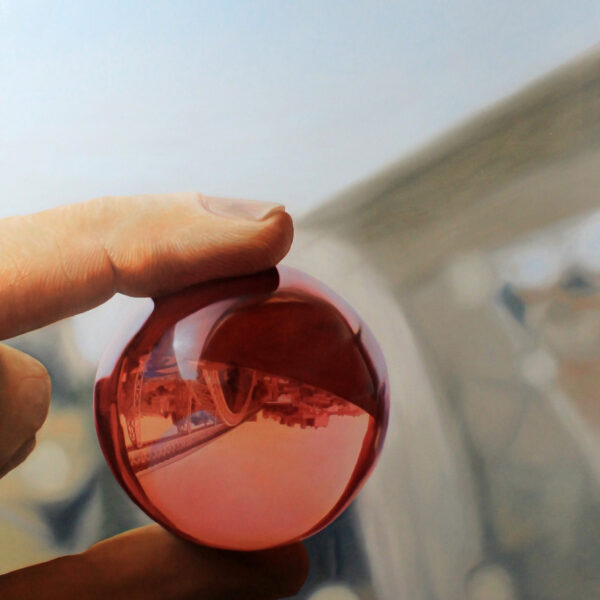
Tiro – Um Homem Que Consegue Mudar 1
6.500,00€ Add to cart -
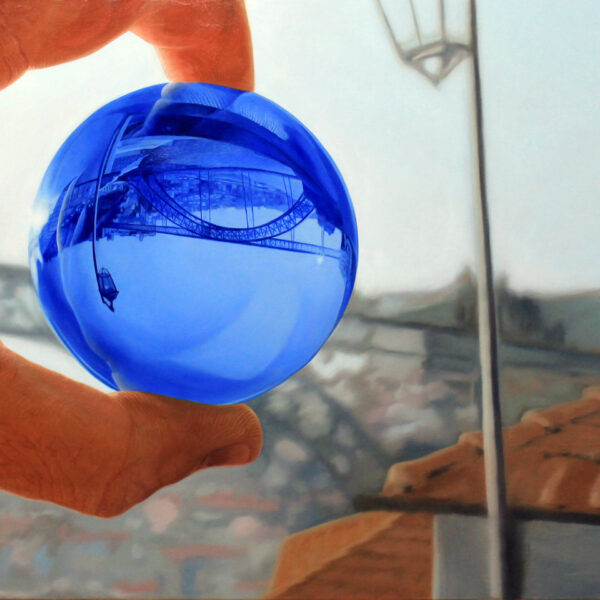
Tiro – Um Homem Que Consegue Mudar 2
Sold Read more -
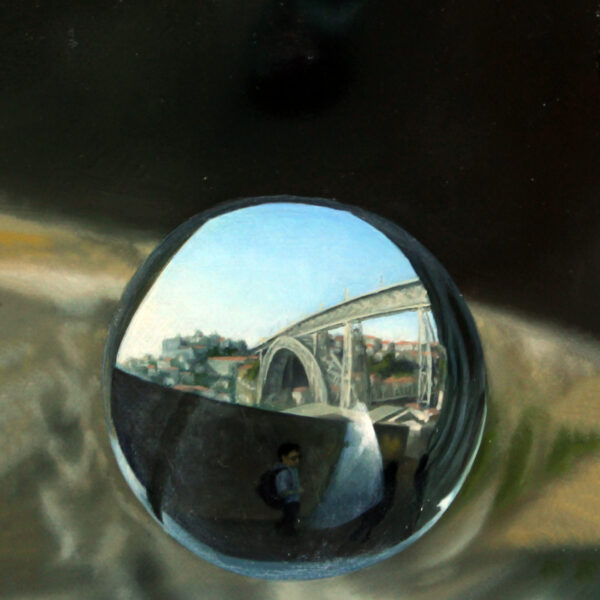
Tiro – Um Homem Que Consegue Mudar 3
350,00€ Add to cart -
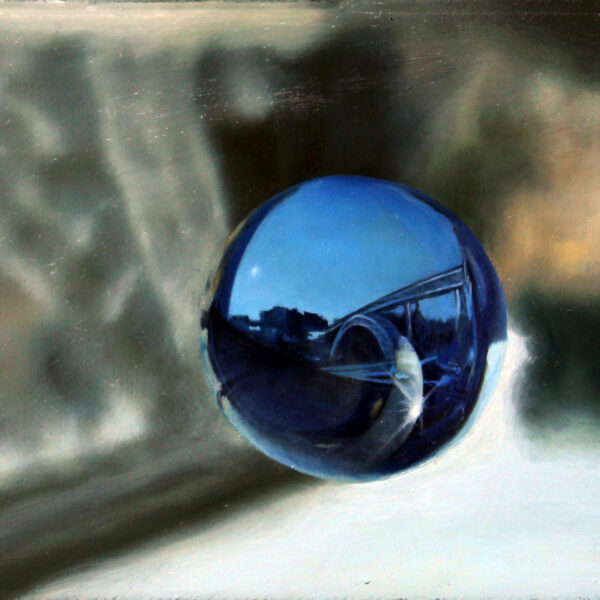
Tiro – Um Homem Que Consegue Mudar 4
350,00€ Add to cart -
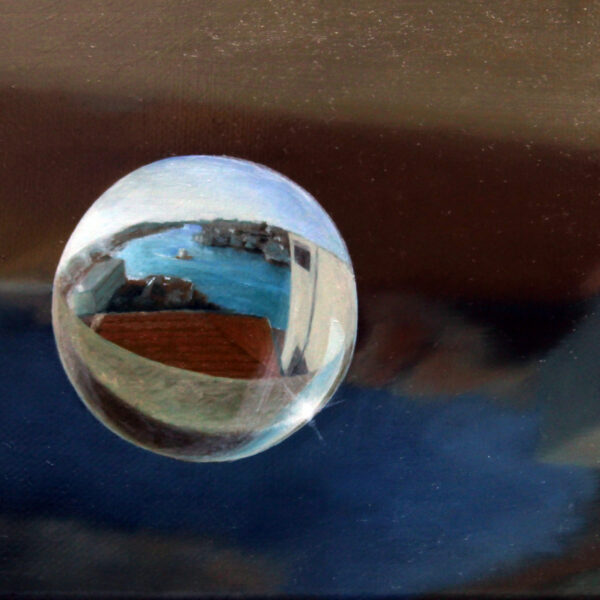
Tiro – Um Homem Que Consegue Mudar 5
350,00€ Add to cart -

Tiro – Um Homem Que Consegue Mudar 8
Sold Read more